


How GM Makes 70 Cents Per Dollar On Subscriptions—But Pennies Per Car

General Motors is successfully pivoting toward a far more lucrative strategy than simply selling cars. The automaker is quietly transforming its fleet into rolling subscription businesses.
According to financial disclosures during a recent investor call, GM’s software and services division retains 70 percent of every dollar in revenue it generates. To put that margin into perspective, retail vehicle sales typically generate just four to 10 cents from each revenue dollar.
Granted, there are more available revenue dollars from a vehicle sale, which in GM's case, averages around $52,000, than there are from a $399 annual Super Cruise subscription, but the headline is still a good one.
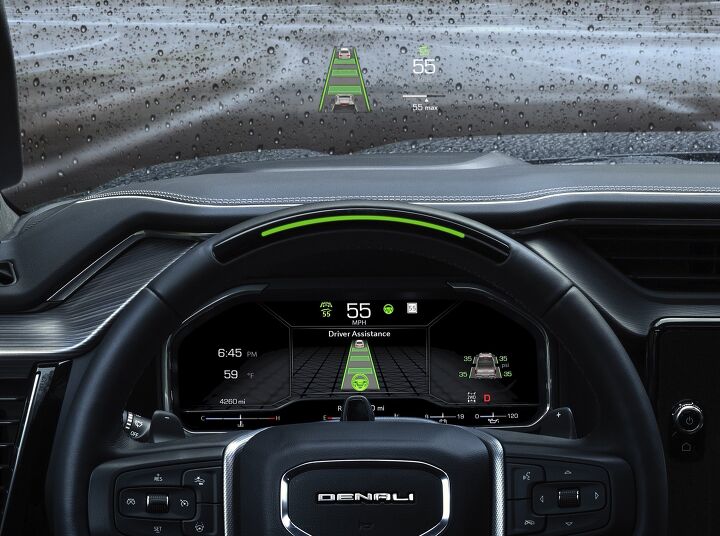
The Soft Profit Pillars: OnStar and Super Cruise
The software expansion is being driven by two of GM's proprietary platforms that have successfully transitioned from one-time features into recurring monthly payment models:
OnStar Connectivity
Once known primarily as a physical analog button occupants pressed in an emergency, OnStar has been completely overhauled into a connected-services framework. The safety, streaming, and data-tracking platform pulled in approximately $800 million during the second quarter alone. General Motors expects to aggressively expand the service, projecting total OnStar enrollment to hover close to 13 million active paid subscribers by the conclusion of the year.
Super Cruise Automation
GM’s hands-free driver-assistance technology has transitioned from a premium tech demonstration into a highly effective source of recurring revenue. When a consumer purchases a Super Cruise-equipped vehicle new from a dealership lot, the automaker builds three years of prepaid connectivity directly into the transaction.
Once that introductory grace period expires, a high percentage of buyers are choosing to pull out their credit cards rather than lose access to the hands-free driving capabilities on mapped highways. Convincing owners to willingly pay a flat monthly fee of $39.99 for an integrated safety system represents the ideal scenario for long-term software scaling, with GM projecting to pass 850,000 active Super Cruise subscribers by the end of the year.

Long-Term Financial Projections
During the presentation to Wall Street analysts, General Motors CEO Mary Barra emphasized that the company sees a tremendous array of structural levers available to consistently scale software profits moving forward. By generating consistent streams of high-margin software income, the auto giant aims to shield its bottom line from the volatile, historic boom-and-bust cycles that have long plagued the domestic car market.
The automaker recorded a substantial $5.4 billion in deferred subscription revenue over the past calendar year, meaning revenue that is securely locked into consumer commitments to be accrued over time. Looking ahead through the upcoming sales cycle, GM’s financial planners expect realized software revenue to hit $3.1 billion, with total deferred software balances scaling all the way up to $7.5 billion.
Modern cars are increasingly functioning as computers on wheels. Once the physical metal is parked in a consumer's driveway, car companies possess the permanent capability to sell updates, automated features, and digital lifestyle integrations for the entire operational life of the vehicle—meaning that the monthly automotive bills no longer end when the bank loan is fully paid off.
For context, General Motors counted $185 billion in revenue from selling actual vehicles in 2025. Software is a nice ancillary income stream, but it is in no way close to overtaking the automaker's core revenue engine.

More by Albert Garcia





Comments
Join the conversation