


Everyone Has Officially Agreed To Bring V8s Back To Formula 1

Formula 1 is officially pivoting back to V8 power—and doing so a full year ahead of schedule.
Following discussions between the FIA, Formula 1 management, and the championship’s power unit manufacturers, the governing body confirmed on Friday that everyone has reached a unanimous agreement to introduce 2.1-liter turbocharged V8 engines starting in the 2030 season.
Originally scheduled to run through 2030, the current hybrid engine cycle will be cut short by one year under a push led by FIA President Mohammed Ben Sulayem and F1 CEO Stefano Domenicali.
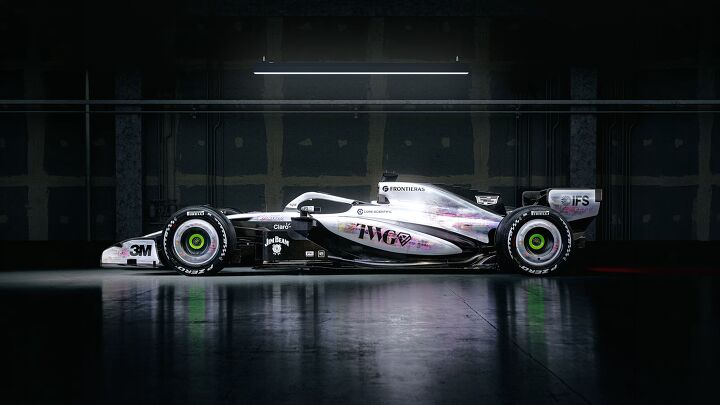
Simpler, Lighter, and Louder
Designed to address criticisms regarding the weight, cost, and mechanical complexity of F1's power units, the 2030 framework scales back electrical dependency while retaining sustainable fuels.
Key technical elements of the proposed 2030 formula include:
- Engine Architecture: A 2.1-liter turbocharged V8 derived from the geometric architecture of the current 1.6-liter V6—effectively adding two cylinders to help keep research and development costs down.
- Reduced Hybrid Output: Electrical assistance drops to 200 kW (down from 350 kW under the 2026 rules), with half of that electrical output ringfenced specifically for overtake-mode deployment.
- Lighter Chassis Integration: Alongside the more compact engine, the FIA plans to pair the V8 with a lighter, more agile chassis aimed at promoting closer wheel-to-wheel racing.
"The overriding objective is to deliver a power unit which is a lot less complex, lighter and cheaper than the current power units," the FIA said in a statement. "It will feature limited hybridisation, relevant and sustainable technology with the aim of enhancing attack-oriented racing and a sound which resonates with fans."

"The return of V8 engines represents an opportunity to reconnect with the DNA of this championship, bringing back the sound, emotion and pure racing that is loved worldwide," Ben Sulayem said. "Our vision is clear: lighter, simpler and more affordable cars that put driver skill at the heart of the competition."
While all current and incoming manufacturers—including Cadillac, which confirmed it will delay its in-house engine until 2030 to align with the V8 switch—have signed off in principle, the framework still requires formal ratification.
Become an AutoGuide insider. Get the latest from the automotive world first by subscribing to our newsletterhere.

An experienced automotive storyteller and accomplished photographer known for engaging and insightful content. Michael also brings a wealth of technical knowledge—he was part of the Ford GT program at Multimatic, oversaw a fleet of Audi TCR race cars, ziptied Lamborghini Super Trofeo cars back together, went over the wall during the Rolex 24, and wrenched in the intense IndyCar paddock.
More by Michael Accardi


Comments
Join the conversation