


10 Ways To Instantly Start Saving Gas During The Global Fuel Crisis


Modern vehicles are expensive, and it’s not just the gigantic figure on the window sticker that hurts. You have to consider the price of everything else involved with automobile ownership.
There’s maintenance, financing, and even parking if you live in a congested area. Don’t speed or run a red light because that will cost you dearly as well, and that's before we even talk about insurance. Full coverage seems to cost an arm and a leg these days.
Of course, fuel economy is another way vehicles squeeze their drivers. Nobody wants to drop a C-note every few days just to top off their tank. Greater efficiency is why people buy diesels, put up with hybrids, trade down to smaller vehicles, or swap to an electric vehicle. It’s also the reason they carpool and take the bus.
Luckily, there are numerous simple things you can do right now that can help save you money at the pump.
These are the Top 10 Ways to Improve Your Fuel Economy!

1) Don't Idle
This suggestion goes without saying. Run the engine less and burn less fuel; it’s a simple one-to-one idea. Waiting for your kids at the bus stop? Rather than idling just to power the radio click it over to accessory mode. Stuck in a long line at the bank drive-through? Try switching the car off to save a few precious drops. Every little bit helps.
Vehicles with start/stop systems build on this idea by killing the engine when you’re halted and seamlessly (usually) restarting it when forward movement is called for once again. If you’re shopping for a new ride, see if you can get one with this technology; it can help improve efficiency in heavy traffic and urban conditions.

2) Use The Right Fuel
Like riding the bus, following directions is practically unpatriotic. If you do, the terrorists could win. Americans are pioneer cowboys, red-white-and-blue rebels that don’t take kindly to being told what to do. Still, as hard as it is, doing as instructed can be beneficial, and it can save you money when it’s time to fill ‘er up.
SEE ALSO: Is Premium Fuel Better Than Regular?
Running the appropriate grade of fuel is important. If your car calls for regular gasoline, pricey premium isn’t going to do you any good; it just costs more. Likewise, if your vehicle requires something with 93 octane, you’re better off ponying up and putting it in. If you don’t, it could lead to internal engine damage. To maximize your savings, follow manufacturer's fuel recommendations.

3) Don't Carry Extra Weight Around
Excess weight it’s not just the enemy of your swimsuit; it’s also detrimental to fuel efficiency. It’s why small, light cars are more economical than massive SUVs with knobby tires and the aerodynamics of a mountain range.
One way to save fuel is to get the junk out of your trunk, the crap out of your hatch, the belongings out of your bed, etc. Extra weight does neither you nor your vehicle any favors, so quit living like a vagrant. Your wallet/bank account/retirement fund will thank you.

4) Replace Your Air Filter
Imagine breathing through the straw that came on the side of a Capri Sun. Now try to run a marathon while aspirating through said tube. Chances are you’ll die before making it two blocks, three at most. It’s no different for your car.
Like a tiny plastic straw, dirty air filters restrict an engine’s ability to breathe, robbing it of performance and potentially reducing economy. But don’t fret, there’s good news. These puppies are pretty cheap, and they’re generally a snap to replace; oftentimes, no tools are required. Go ahead; flip your mechanic the bird. This is one maintenance item you’ve got covered.

5) Check Your Tire Pressure
Tires are one of the most overlooked items on cars. It’s safe to bet that some drivers go years without checking the pressure in their vehicle’s tires. Proper inflation pressure is critical to getting the best fuel economy possible. You can imagine the extra resistance there is when a car’s tires are low on air. Unfortunately, this isn’t just an efficiency issue; it’s a safety concern as well.
SEE ALSO: How Much Air Should I Put in my Tires?
Automakers spend an enormous amount of time and effort determining the optimum inflation pressure for a given vehicle. Therefore, it’s important to follow that number to the, um, letter. You’ll find the correct amount on a special placard, which is usually mounted on the door jamb, inside the driver’s door opening.
Fuel efficiency matters, and so does safety. Suffice it to say, keep your vehicle’s tires properly pumped up.

6) Change Your Oil
Fresh oil is critical to the efficient operation of an internal-combustion engine. Crankcase lubricant is probably the hardest-working fluid in an automobile. It’s tasked with cutting friction, cooling internal components, keeping the engine clean and protecting against corrosion, to name but a handful of its duties.
SEE ALSO: What Kind of Oil Should I Use?
If you go too long between oil changes, the lubricant can thicken and become harder to pump, something that hampers efficient motoring. Additionally, that lackadaisical attitude can cause a host of other problems. Sludge can build up, friction and wear can accelerate, and that’s not all. You could be staring down the barrel of a catastrophic mechanical failure.
Change the oil according manufacturer's recommendations—or every 5,000 miles, whichever makes you happier—and your vehicle will reward you with faithful service and better fuel economy.

7) Drive The Speed Limit
What’s the rush? Late for a wedding? Is your husband in labor? Speeding along on the highway can consume fuel in a big way. Remember the national 55-mile-an-hour limit? Neither do I, but it’s a nightmare scenario we all pray doesn’t return.
Despite how frustrating that “double nickel” limit was, the logic behind it is sound. Fuel mileage typically falls off a cliff at speeds faster than 50 MPH. Driving slower can dramatically increase your miles per gallon. Give yourself a little extra time, and save a lot at the gas station.
More than cruising speed, your acceleration rate is a huge driver of fuel consumption. The hardest your engine usually works is accelerating away from a dead stop. Manage your RPMs and watch your fuel consumption plummet.
8) Use Cruise Control
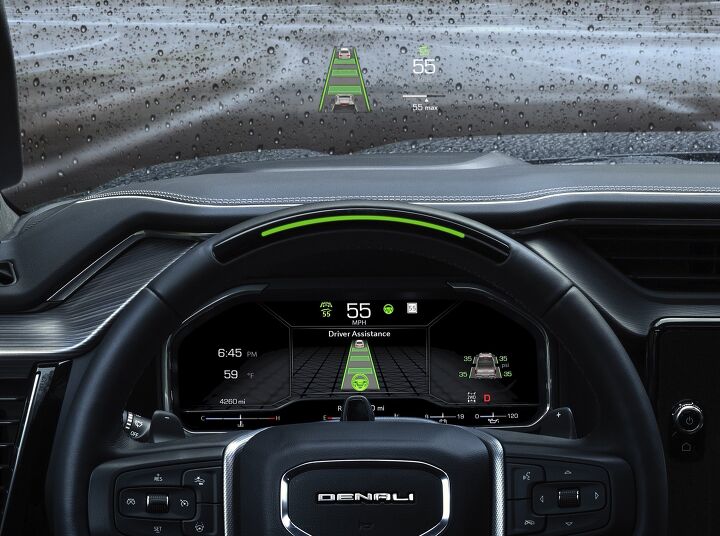
And what better way to keep a careful eye on your vehicular velocity than to use cruise control? Turn it on, set it at a desired speed, and go fix yourself a sandwich because the car does the rest.
Cruise control can help increase fuel efficiency by moderating throttle inputs. Rather than doing 60 miles an hour, speeding up to 70, then dropping down to 65, the cruise sidesteps this unnecessary yo-yoing to deliver a more relaxed drive and more MPG. Modern adaptive cruise control systems will even adjust to traffic flow, and some will even handle steering and coming to a complete stop in bumper-to-bumper situations.
9) Gentle On The Pedals
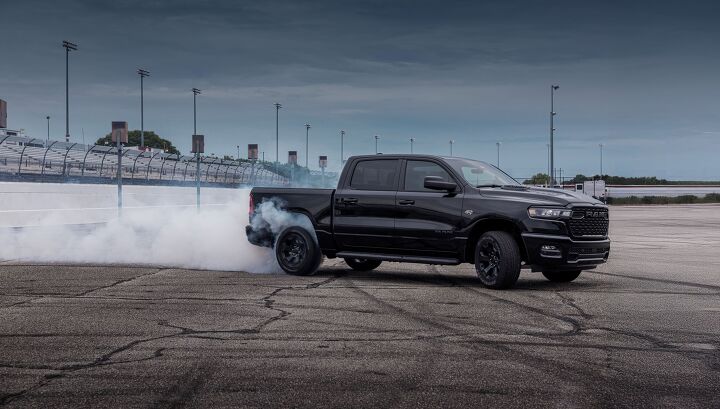
Cruise control keeps you moving at a steady speed on the highway, and you should attempt to do the same at lower speeds as well. Nailing the gas pedal at every light, accelerating heavily, and then standing on the brakes is more wasteful than the U.S. federal government.
Try to relax and drive smoothly with deliberate caution. Sure, it’s not as much fun as roasting the tires from a standstill, but you will save money on fuel. In short, don’t drive like a teenager.

10) Anticipate and Avoid Stopping and Starting
Lastly, another helpful way to save fuel is to keep an eye on the traffic around you. If you notice brake lights ahead, it’s best to lift your foot off the gas and decelerate slowly. If you can anticipate what other drivers are doing, you can keep your momentum and avoid stopping and starting, which, of course, wastes more fuel than anything else.
Become an AutoGuide insider. Get the latest from the automotive world first by subscribing to our newsletter here.
Born and raised in metro Detroit, Craig was steeped in mechanics from childhood. He feels as much at home with a wrench or welding gun in his hand as he does behind the wheel or in front of a camera. Putting his Bachelor's Degree in Journalism to good use, he's always pumping out videos, reviews, and features for AutoGuide.com. When the workday is over, he can be found out driving his fully restored 1936 Ford V8 sedan. Craig has covered the automotive industry full time for more than 10 years and is a member of the Automotive Press Association (APA) and Midwest Automotive Media Association (MAMA).
More by Craig Cole


Comments
Join the conversation
In theory all of these things will reduce fuel usage, but noe of them by a lot. People always overreact to gas prices. I recall hearing about someone driving across town to save $0.05/gallon. Lets do the math. Say a car gets 25 mpg. And gas goes up by a whopping $1/gal. At 15k/year, that is 288 miles per week. That is $11.5 per week. If you managed to increase gas mileage by 20 percent doing these things, that is $1.15/week savings. Way less than a cup of coffee. I am not changing my Miata driving habits for that.
Gentle on the Pedal should be #1.
Idling is a minor effect EXCEPT for idling long periods- like moms waiting in parking lines to pick up their kids at school. Or parents idling for literally an hour or more while their kids are at baseball/soccer/football practices.
Other basic maintenance practices (tire pressure, etc.) should be done as benefits go far beyond just a bit of gas savings.