

Tesla Opens Cybercab Orders at $29,990, Plus $299 a Month
Tesla has begun inviting select buyers to order a Cybercab for personal ownership at a pre-tax price of $29,990, but the vehicle will not operate without a mandatory $299-per-month Autonomy Subscription, and only functions within the Robotaxi service zones the company already runs in Texas and Florida.

The automaker's official Robotaxi account shared the invitations on X on Friday, posting images of the order page next to the invitation email. The order page shows the Cybercab priced at $29,990 with delivery estimated for December 2026 in Austin, Texas, and requires a $1,000 non-refundable deposit.
The subscription comes pre-checked at $299 per month with the first month included, and the fine print states, "Subscription and regular vehicle maintenance required to operate." The invitation email is more direct, with an asterisk reading, "Only available in supported service areas. Subscription required for operation."
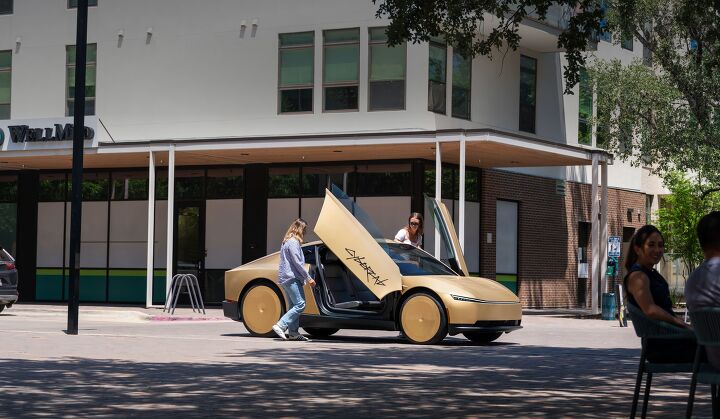
The specifications match what the company showed at the 2024 unveiling. The Cybercab seats two and uses a 21-inch center touchscreen. It provides 20.1 cubic feet of cargo space and comes without a steering wheel or pedals. Tesla describes it as "fully autonomous" and says owners will "manage your ride in the app."

Elon Musk had promised a Cybercab "below $30,000" at the reveal. The sticker clears that threshold, but the subscription adds $3,588 a year. Over five years, the total reaches roughly $47,600 for the two-seater, not counting insurance, maintenance, taxes, or charging.
"Supported service areas" means the eight cities where Tesla currently runs its Robotaxi service: Austin, Dallas, Houston, Fort Worth, and San Antonio in Texas, and Miami, Orlando, and Tampa in Florida. The Cybercab cannot operate anywhere else.
Those geofences are also smaller than Tesla advertises. Independent tracker Koby Pierce tested thousands of addresses in the Robotaxi app and reported that the zones accepting pickups and drop-offs cover only 59% to 78% of the advertised polygons across the six cities he examined. In Austin, where Tesla plans to deliver the first cars, coverage is about 59%, according to Pierce.
Railroad crossings are a significant factor. Pierce, who runs the Robotaxi Tracker, reported the Houston app quoting roughly 40 minutes to travel two blocks in downtown, with the vehicle routing around rail crossings. His data also shows Tesla listing the San Antonio airport within its service polygon without serving it.
A regulatory question also remains open. NHTSA has directed Tesla to demonstrate under oath that a vehicle lacking a brake pedal complies with federal rules that mandate one. Tesla filed its response on October 30 and requested that its full answer be kept confidential. NHTSA has not ruled.
Become an AutoGuide insider. Get the latest from the automotive world first by subscribing to our newsletterhere.

AutoGuide's daily news hound. I report on the latest breaking news in the auto industry across the US and around the world.
More by Marcus Lewinsky


Comments
Join the conversation