- Acura
- Alfa Romeo
- Aston Martin
- Audi
- Bentley
- BMW
- Buick
- Cadillac
- Chevrolet
- Chrysler
- Dodge
- Ferrari
- Fiat
- Ford
- Genesis
- GMC
- Honda
- Hyundai
- Infiniti
- Jaguar
- Jeep
- Kia
- Lamborghini
- Land Rover
- Lexus
- Lincoln
- Lotus
- Lucid
- Maserati
- Maybach
- Mazda
- McLaren
- Mercedes-Benz
- MINI
- Mitsubishi
- Nissan
- Pagani
- Porsche
- Ram
- Rivian
- Rolls-Royce
- SMART
- Subaru
- Tesla
- Toyota
- Volkswagen
- Volvo



#VehicleReliability


Japanese Brands Shine, American Automakers Tumble in Consumer Reports' Latest Reliability Survey
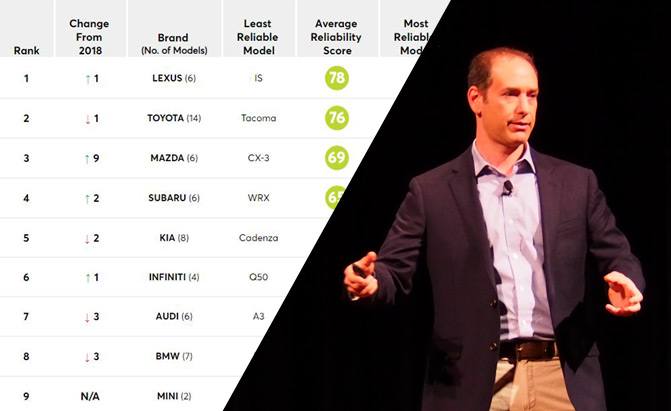
While speaking at a gathering of the Automotive Press Association in Detroit Jake Fisher, director of auto testing at Consumer Reports said, “The moral of the story is… the early adopters get penalized in terms of reliability.”
Lexus Tops, Dodge Flops on 2016 J.D. Power Vehicle Dependability Study
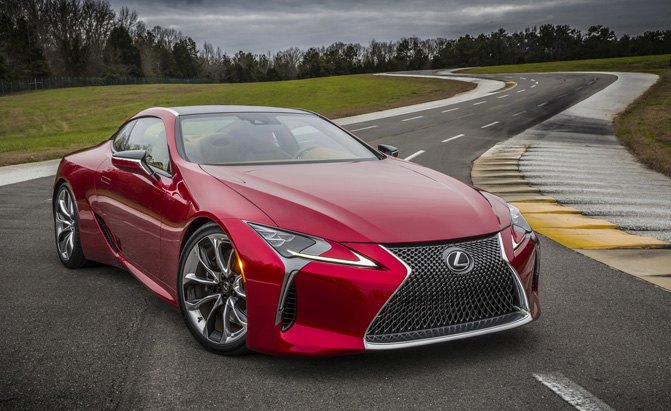

Vehicle Dependability Dips in J.D. Power Study

There’s cloudy news on the horizon if you’re thinking about buying a new car.

Are German Cars Reliable? The Myth of "German Engineering"

There are a lot of car stereotypes out there, like that Toyota builds dull appliances. While true on many fronts, the Japanese automaker does also make exciting sporty cars like the Scion FR-S, and Lexus LFA, both praised for their exhilarating rides, edgy styling and pulse-raising performance. But there’s another stereotype that needs to be dealt with.
Likely you’ve heard the phrase “German engineering” more than a few times in your life and there’s a popular misconception that it equals good reliability. German cars are well engineered, sometimes to be amazing performance machines and sometimes to be incredibly high-tech (and often both) but, Porsche aside, German cars don’t have the best track record for reliability.


