


7,000 People Told GM Their 6.2L V8 Blew Up After Recall "Fix"
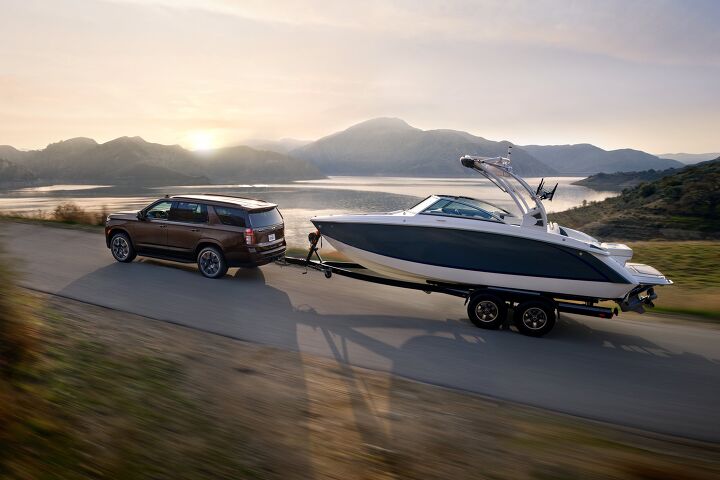
Federal safety regulators are escalating their investigation into General Motors’ 6.2-liter V8.
The National Highway Traffic Safety Administration (NHTSA) officially widened an engineering analysis into nearly one million vehicles after nearly 7,000 owners told GM their engines blew up even after the prescribed recall fix was performed.
The probe covers 997,743 vehicles from model years 2021 through 2026. Affected models equipped with GM's L87 6.2-liter V8 engine include the Cadillac Escalade and Escalade ESV, Chevrolet Silverado 1500, Chevrolet Tahoe, Chevrolet Suburban, GMC Sierra 1500, and GMC Yukon / Yukon XL.

NHTSA launched the fresh investigation after receiving 499 owner complaints detailing severe engine damage or total engine failure on vehicles that had already undergone GM's official safety recall fix. Additionally, NHTSA has received 191 reports of catastrophic failures in engines produced after the suspect production period, indicating there may be an even larger issue. The L87 engines under recall were produced between March 1, 2021 and May 31, 2024.
GM has steadfastly blamed the 6.2L V8's problems on manufacturing flaws in rotating assembly components sourced from a third-party supplier. There are two simultaneous problems. The first is rod-bearing damage from machining sediment left on connecting rods and in crankshaft oil galleries. The second issue is out-of-spec crankshaft dimensions and surface finish irregularities.
Regardless, reports from frustrated owners indicate that vehicles continue to experience sudden power loss, severe engine knocking, or complete shutdown while driving.


As part of the original recall, dealers were instructed to scan for diagnostic trouble code P0016, which indicates crankshaft or camshaft misalignment. Vehicles that passed inspection were updated to a higher-viscosity 0W-40 oil, given a new oil cap and a revised owner’s manual insert before being sent out the door. Vehicles failing inspection were eligible for an engine replacement.
NHTSA's latest engineering analysis will specifically look at whether GM's initial remedy was adequate or not, along with expanding the investigation's scope to include engines built after the suspicious production period. If the federal agency determines that GM's ongoing recall action is ineffective, the Detroit automaker could be forced to issue a secondary recall campaign involving full engine replacements or deeper hardware overhauls for nearly a million luxury SUVs and half-ton pickups.
Owners are so upset some have even sued General Motors. The automaker has asked a federal court to dismiss the lawsuit, arguing that owners have already received the solution they're seeking through the recall campaign. According to court documents, GM's internal investigation unsurprisingly determined that manufacturing-related issues were behind the failures rather than a fundamental flaw in the engine's design.
Become an AutoGuide insider. Get the latest from the automotive world first by subscribing to our newsletter here.

An experienced automotive storyteller and accomplished photographer known for engaging and insightful content. Michael also brings a wealth of technical knowledge—he was part of the Ford GT program at Multimatic, oversaw a fleet of Audi TCR race cars, ziptied Lamborghini Super Trofeo cars back together, went over the wall during the Rolex 24, and wrenched in the intense IndyCar paddock.
More by Michael Accardi


Comments
Join the conversation
The worst cars to buy are from the Big 3 manufacturers. Just look at Consumer Reports.
Best GM pickups were manufactured before 2006. The Obama Administration destroyed the Duramax to reduce emissions. While the rest of the world kept polluting. As usual, Americans paid the price.
Lot of rumors going around that a big part of the problem is the variable pressure oil pump that drops pressure so low at idle, or during light load operation, that bearing surfaces come in contact despite the heavier 0W40 oil. The worst part is that the system is the same on the new engines, only now there's no dipstick to allow an easy withdrawal of oil to check for metal particles.