- Acura
- Alfa Romeo
- Aston Martin
- Audi
- Bentley
- BMW
- Buick
- Cadillac
- Chevrolet
- Chrysler
- Dodge
- Ferrari
- Fiat
- Ford
- Genesis
- GMC
- Honda
- Hyundai
- Infiniti
- Jaguar
- Jeep
- Kia
- Lamborghini
- Land Rover
- Lexus
- Lincoln
- Lotus
- Lucid
- Maserati
- Maybach
- Mazda
- McLaren
- Mercedes-Benz
- MINI
- Mitsubishi
- Nissan
- Pagani
- Porsche
- Ram
- Rivian
- Rolls-Royce
- SMART
- Subaru
- Tesla
- Toyota
- Volkswagen
- Volvo
These 10 Vehicles Got Hit Hardest by Rising Fuel Prices
Gas prices have gone ballistic in the last six months—unsurprisingly, owners of large SUVs and trucks felt it almost immediately. According to a new iSeeCars study, some vehicles saw annual fuel costs jump by more than $1,500 between January and April alone.
The list is dominated by body-on-frame SUVs and full-size pickups. Big cabins, V8 engines, and hefty curb weights make these vehicles incredibly useful for towing, hauling, and family duty — but they also become expensive very quickly when fuel prices spike.
According to the study, the average fuel price increase for an internal combustion-powered vehicle was $706 over that time frame.
Researchers compared estimated annual fuel costs using national average fuel prices from January 2026 and April 2026. Gas prices climbed from an average of $2.81 per gallon in January to $4.10 per gallon by April, dramatically increasing operating costs for many vehicles, particularly large SUVs and trucks. To calculate annual fuel expenses, iSeeCars combined each vehicle’s EPA fuel economy ratings with average annual mileage based on odometer data. The study assumed owners would fully consume each tank before refueling. Here are the 10 vehicles that experienced the biggest increase in annual fuel costs so far this year:

10. Chrysler Pacifica
Fuel Cost Increase: $1,236 The Chrysler Pacifica might seem out of place among all these giant SUVs and trucks, but its high annual mileage figure helped land it on this list. Families tend to rack up serious miles in minivans, and that means fuel price increases hit harder. Even so, the Pacifica remains far cheaper to fuel than most three-row SUVs.

9. GMC Sierra 1500 Limited
Fuel Cost Increase: $1,277 Full-size pickups are always vulnerable to fuel price swings, especially when equipped with larger engines and four-wheel drive. The Sierra 1500 Limited saw its estimated annual fuel costs climb by nearly $1,300 in just a few months. For buyers who tow regularly or drive long highway distances, fuel costs can escalate quickly.

8. Jeep Wagoneer
Fuel Cost Increase: $1,282 The modern Wagoneer delivers impressive interior space and towing capability, but it also drinks fuel at a pretty aggressive rate. Large SUVs like this are especially exposed during fuel spikes because of their size, weight, and typical family road-trip usage.

7. GMC Yukon
Fuel Cost Increase: $1,304 The standard Yukon barely edges past the Wagoneer here. Even though GM’s full-size SUVs have become more efficient over the years, they’re still massive body-on-frame machines with plenty of appetite for gasoline.

6. Cadillac Escalade ESV
Fuel Cost Increase: $1,312 Big luxury SUVs often combine the worst parts of rising fuel costs: large engines and high annual mileage. The extended-wheelbase Escalade ESV delivers enormous passenger and cargo space, but owners are now paying significantly more to keep it moving.

5. Chevrolet Tahoe
Fuel Cost Increase: $1,317 The Tahoe continues to be one of America’s most popular full-size SUVs, and this study helps explain one downside of that popularity. Its combination of V8 power, family hauling duty, and frequent long-distance driving pushed annual fuel cost estimates up by more than $1,300 between January and April.

4. GMC Yukon XL
Fuel Cost Increase: $1,471 Stretching the Yukon into XL form adds even more practicality — and even more fuel consumption. Longer wheelbases and heavier curb weights make vehicles like the Yukon XL particularly sensitive to changing gas prices.

3. Nissan Armada
Fuel Cost Increase: $1,513 The Armada’s naturally aspirated V8 and old-school SUV character have earned it a loyal following, but efficiency has never really been part of the equation.

2. Chevrolet Suburban
Fuel Cost Increase: $1,542 America’s long-running king of family road trips remains one of the biggest fuel consumers on the market. The Suburban’s sheer size and heavy-duty capability make it incredibly versatile, but also expensive to operate during periods of volatile gas pricing.

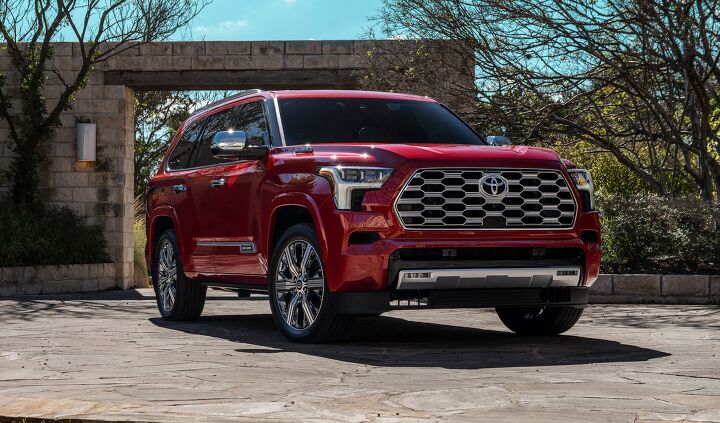
1. Toyota Sequoia
Fuel Cost Increase: $1,623 The Toyota Sequoia experienced the largest fuel cost increase in the entire study. Estimated annual fuel expenses jumped from $3,523 in January to $5,145 by April. Despite the hit at the pump, the Sequoia remains popular thanks to its reliability, towing capability, and spacious interior.